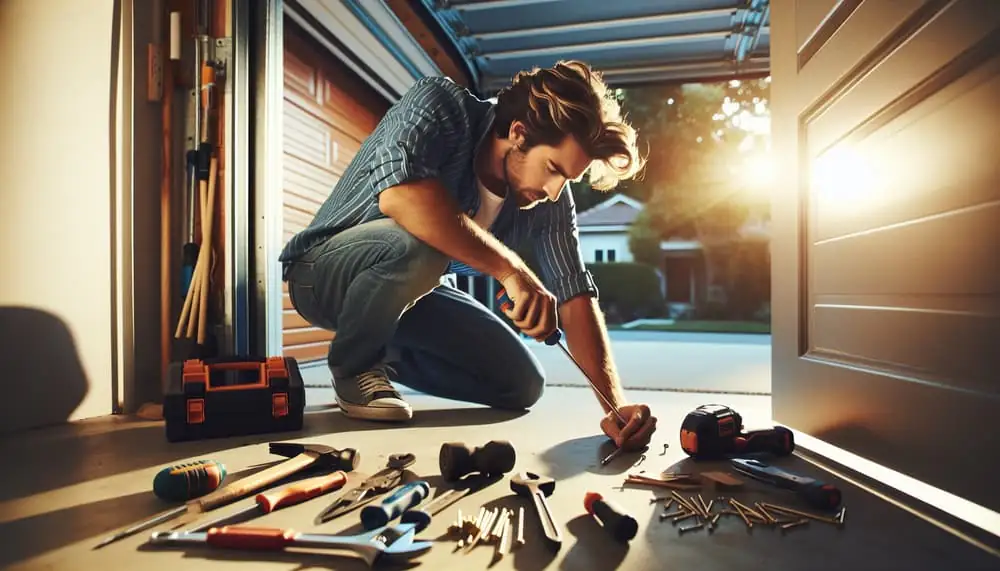

The Importance of Energy Efficiency in Your Garage Door
When it comes to home energy efficiency, many homeowners overlook one significant component: the garage door. Often, it serves as a secondary entrance to the home but can dramatically influence your energy bills. In sunny Los Angeles, CA, where temperatures can soar, understanding how an energy-efficient garage door can positively impact your home is crucial. This guide will explore everything from insulation to materials that can enhance the energy efficiency of your garage door.
Understanding Garage Door Insulation
A well-insulated garage door can make a world of difference. Insulation reduces heat transfer, keeping your garage and adjacent rooms cooler in the summer and warmer in the winter. Let’s dive deeper into how insulation works:
Types of Insulation
- Polystyrene: Rigid and durable, it provides excellent thermal resistance.
- Polyurethane: Offers higher insulation values, making it more effective but slightly more expensive.
- Reflective Insulation: Ideal for hotter climates, it reflects radiant heat away from the garage.
Insulation Ratings Explained
The effectiveness of insulation is often measured in R-value. The higher the R-value, the better the insulation. For garage doors, an R-value of 10 or higher is recommended for optimal energy efficiency in Los Angeles.
Energy-Efficient Garage Door Materials
Choosing the right material for your garage door can significantly impact its energy efficiency. Here are some popular materials:
- Steel: Durable and often insulated, steel doors can prevent heat loss effectively.
- Fiberglass: Lightweight and resistant to cracking, fiberglass also offers good insulation properties.
- Wood: While aesthetically pleasing, wood doors require regular maintenance to maintain their energy efficiency.
Benefits of an Energy-Efficient Garage Door
Investing in an energy-efficient garage door comes with numerous benefits:
- Lower Energy Bills: An insulated garage door can reduce heating and cooling costs, leading to substantial savings over time.
- Improved Comfort: Maintaining a consistent temperature in your garage can enhance overall comfort in your home.
- Increased Property Value: Home buyers are increasingly interested in energy-efficient features, making your home more appealing.
How to Improve Your Garage Door's Energy Efficiency
Here are some practical tips for enhancing your garage door's energy efficiency:
Regular Maintenance
- Inspect the seals and weather stripping for wear and tear.
- Ensure that the door is balanced and opens and closes smoothly.
Upgrade to an Energy-Efficient Model
If your garage door is over 15 years old, consider upgrading. New models are designed with advanced materials and insulation techniques that can save energy.
Seal Gaps and Cracks
Even minor gaps can lead to significant energy loss. Check the following areas:
- Between the door and the floor.
- Where the door meets the sides of the frame.
- At any openings for cables or other hardware.
Statistics and Facts about Garage Door Energy Efficiency
Did you know that:
- Approximately 30% of a home's energy loss can occur through an uninsulated garage door?
- Homes with energy-efficient garage doors can save an average of $150 to $300 annually on energy bills?
- Upgrading to an insulated door can reduce heat loss through the garage by 70%?
Conclusion
Improving the energy efficiency of your garage door is a smart investment that pays off through lower utility bills and increased comfort. Whether you're considering insulation options, materials, or upgrades, Absolute Garage Door Repair in Los Angeles is here to help. Our team of experts can guide you through the best choices for your needs and budget. Don't let an inefficient garage door drain your resources — contact us today and start saving!
Explore More Resources
Related Articles
Service Areas
We proudly serve Los Angeles, Studio City, North Hollywood, Franklin Canyon, West Hollywood and more areas.
Our Services
Professional garage door repair, spring repair, opener installation and more. View all services →
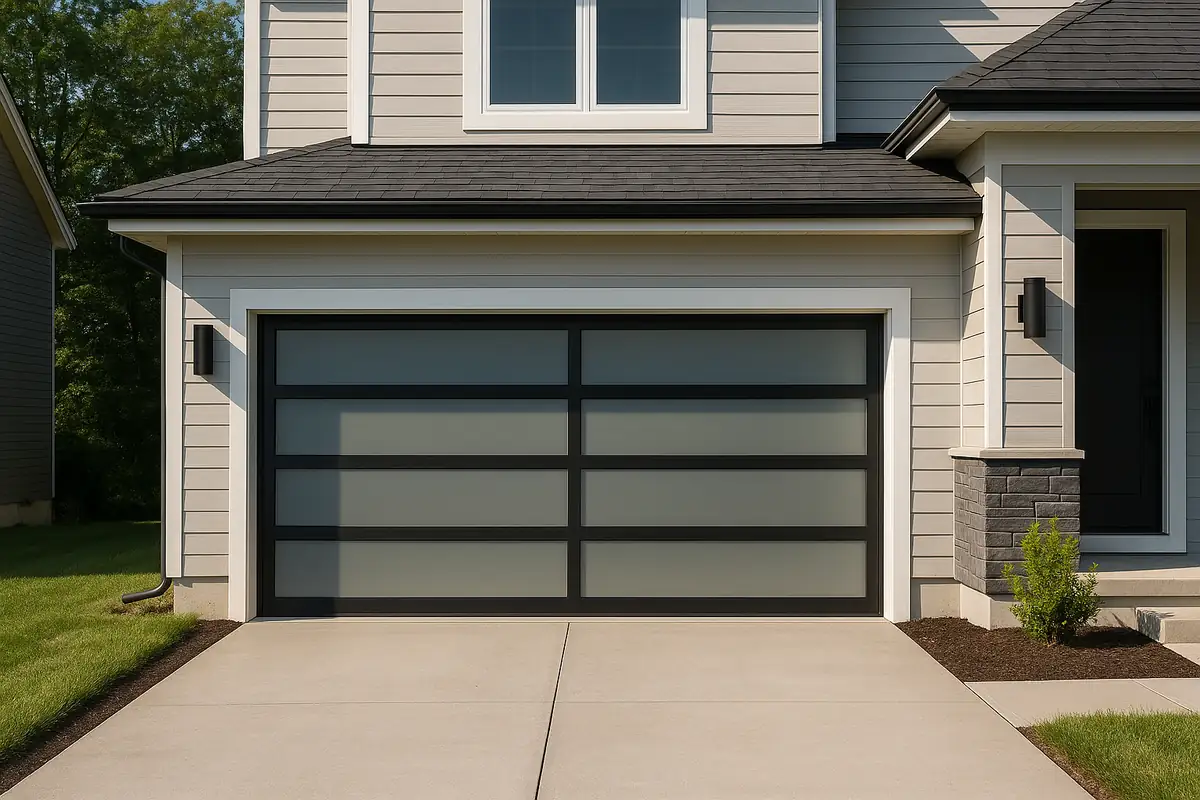
How to Extend the Life of Your Garage Door – Absolute Garage Door Repair in Los Angeles, CA
Garage Door Automation and Smart Home Integration: A Comprehensive Guide by Absolute Garage Door Repair